A washing machine rarely stops working without warning. Longer cycles, small leaks, rattling, or unusual noises can indicate developing mechanical, electrical, or water-related problems. Ignoring these signs may turn a minor repair into a serious failure. For homeowners searching for washer repair Littleton, knowing the common warning signs helps determine when basic troubleshooting is enough and when professional diagnostics are needed. Modern washers rely on motors, pumps, sensors, valves, electronic controls, bearings, hoses, and suspension components, so one faulty part can affect the entire cycle.
Table of Contents
ToggleThe Washer Won’t Start or Complete a Cycle
A washer that does not respond may have a simple power problem, but the cause can also be an internal electrical fault. Check the breaker and connection first. If other appliances work normally, the washer may need further inspection.
The door or lid switch is another common cause. The machine usually will not start unless it detects that the door or lid is securely closed. A worn switch, damaged latch, or misalignment can prevent the cycle from starting.
Other possible causes include:
- Faulty control board or user interface.
- Defective timer or cycle selector.
- Damaged door-lock mechanism.
- Failed motor or motor-control component.
- Loose or damaged wiring.
- Faulty sensors.
If the washer starts but stops during filling, washing, draining, or spinning, repeatedly restarting it will not solve the underlying fault and may put additional strain on damaged components.
Water Filling and Draining Problems
Slow filling can result from restricted hoses, clogged inlet screens, low water pressure, or a failing inlet valve. A washer that takes much longer than usual to fill should not simply be treated as having a longer cycle.
Failure to drain may indicate a blocked hose, clogged filter, damaged pump, or restricted drain path. Coins, lint, buttons, and fabric fragments can interfere with water flow. When water remains inside, the washer may also fail to enter the spin cycle, leaving clothes excessively wet.
Some basic checks are safe. Inspect the drain hose for visible blockages or sharp kinks and clean accessible filters according to the manufacturer’s instructions. Internal pumps, wiring, and electrical components should be handled by a professional.
Leaks, Vibrations, and Unusual Noises
Even a small leak should not be ignored. Water may come from an inlet connection, drain hose, door gasket, dispenser, pump, or internal hose. Continued leakage can damage flooring and surrounding materials.
On front-load washers, water around the door may indicate a damaged or dirty gasket. Excess detergent can also create heavy suds and contribute to leakage.
Strong vibration during spinning can result from an unbalanced load, overloading, or poor leveling. If the problem continues after redistributing the clothes and leveling the machine, worn suspension components, bearings, or other mechanical parts may be responsible.
Common noises can offer useful clues:
- Banging or knocking – unbalanced load or suspension problem.
- Grinding – worn bearings, damaged pump, or another mechanical fault.
- Clicking – controls, door locks, or objects caught in moving parts.
- Loud humming – motor or pump struggling to operate.
- Rattling – loose objects or damaged components.
A new noise that becomes louder with each cycle is particularly difficult to justify ignoring. Mechanical problems rarely resolve themselves.
When to Contact a Washer Repair Technician
Basic troubleshooting is suitable for simple problems. Homeowners can check the breaker and water supply, inspect visible hoses, redistribute an uneven load, and follow the manufacturer’s cleaning instructions.
Professional diagnostics are recommended when a problem keeps returning, the washer leaks, electrical symptoms appear, unfamiliar noises develop, or the cycle repeatedly stops at the same stage. Standing water after a cycle is another reason to seek help.
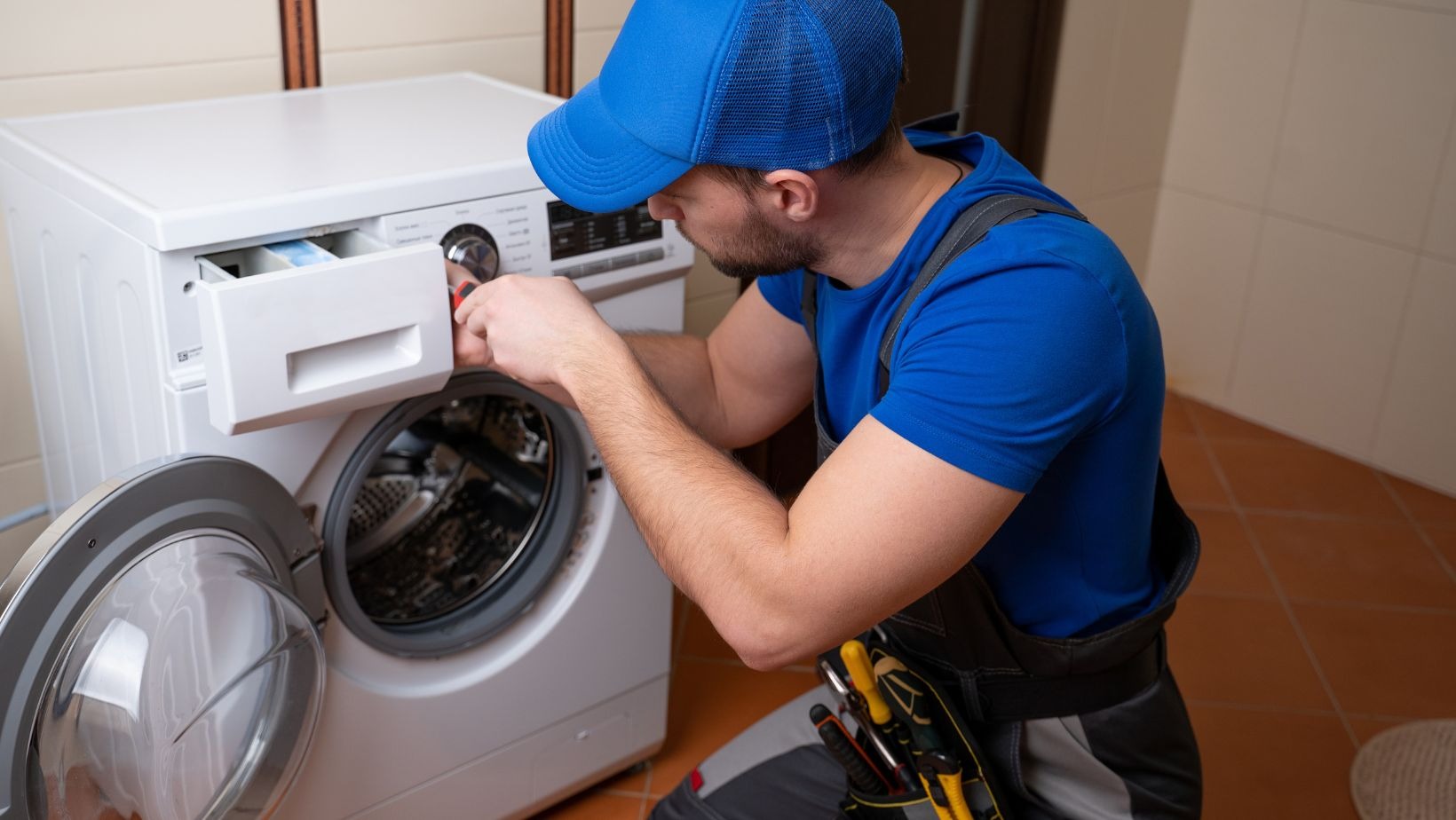
A technician can inspect pumps, valves, switches, bearings, seals, suspension components, control boards, and other parts instead of replacing components based on guesswork. FixMaster provides on-site diagnostics and repair for drainage issues, leaks, loud noises, power problems, and excessive vibration.
Washing machine problems often start with small changes. A delayed fill, incomplete drain, vibration, unusual sound, or minor leak can signal component wear. Addressing these symptoms early may help prevent water damage, secondary failures, and unexpected breakdowns. Basic checks are fine for simple issues, while persistent mechanical, electrical, or water-related faults require professional diagnostics. Timely washer repair Littleton can restore reliable operation before a manageable problem becomes a major appliance failure.