
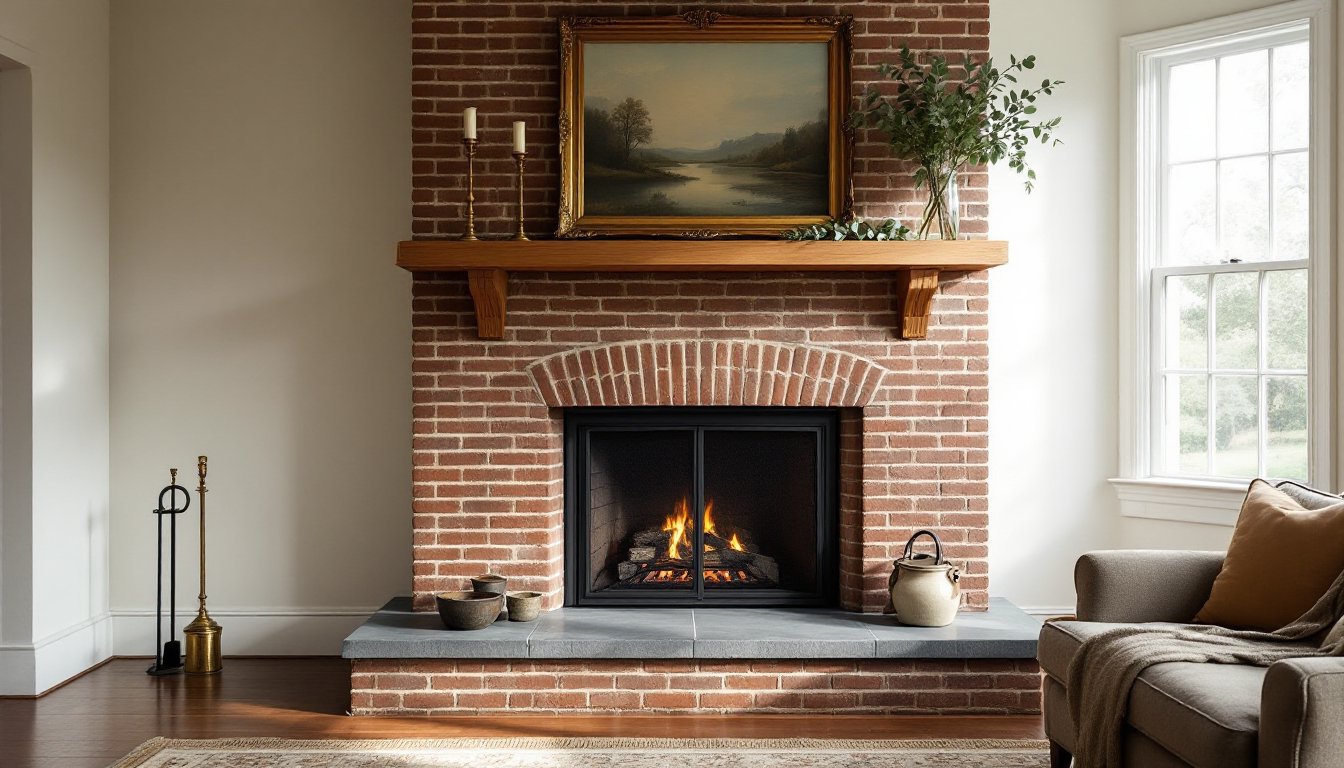
A traditional fireplace isn’t just a heat source, it’s the anchor of a room, a piece of living architecture that shapes how a space feels. Whether you’re planning a new build, renovating an older home, or simply wanting to refresh what’s already there, understanding the core design elements of traditional fireplaces helps you make smart material and styling decisions. This guide covers classic brick and stone designs, mantel options, surround finishes, decorating strategies, and practical updates that preserve character while improving function. No fluff, just what works.
Table of Contents
ToggleClassic Brick Fireplace Designs That Never Go Out of Style
Brick fireplaces have been a staple in American homes since the colonial era, and their appeal hasn’t faded. The material’s durability, heat retention, and texture make it a practical and aesthetic choice for traditional designs.
Red clay brick is the most common option, available in standard modular sizes (7 5/8″ × 3 5/8″ × 2 1/4″ nominal). It works well in both Federal and Colonial Revival styles. For a more refined look, consider thin brick veneer (about 1/2″ thick), which can be applied over existing masonry or cement board and is lighter on structural loads.
Running bond (each brick offset by half) is the go-to pattern for fireplace fronts. Stack bond (bricks stacked directly atop one another) creates a more modern, grid-like effect but requires more precise installation to avoid wandering grout lines. Herringbone and basket weave patterns add visual interest in fireboxes or hearth floors but demand careful planning and cutting.
Mortar color matters more than most DIYers realize. White or cream mortar softens the look and brightens the space, while dark gray mortar adds contrast and a more historical feel. Avoid overly wide joints, standard 3/8″ to 1/2″ keeps the appearance clean.
If you’re working with an existing brick fireplace that’s structurally sound but dated, resist the urge to paint unless you’re committed, removing paint from brick later is labor-intensive and often damaging. Instead, consider repointing (replacing deteriorated mortar) or a light acid wash to refresh the surface.
Timeless Stone Fireplace Ideas for Rustic Charm
Natural stone brings texture, color variation, and a sense of permanence that brick can’t quite match. It’s the backbone of many rustic and country-style home ideas, especially in mountain or farmhouse settings.
Fieldstone (irregularly shaped, rounded stones) delivers a classic New England or Appalachian look. It’s typically dry-stacked or mortared with recessed joints to emphasize the stone shapes. Expect significant weight, fieldstone facings can add 15–20 pounds per square foot, so confirm your footing and foundation can handle it before installation.
Limestone and sandstone offer a more uniform, refined appearance. Both are sedimentary stones that can be cut into ashlar (rectangular) blocks for clean lines or left rough for texture. Limestone weathers to a warm cream or tan: sandstone ranges from buff to deep red depending on mineral content.
Stacked stone veneer (manufactured or natural thin-cut stone) has become popular for retrofits. It’s lighter (around 7–10 lbs per square foot) and easier to install over cement board or existing masonry. Look for products with varied stone sizes and natural color blending, uniform patterns look artificial.
Dry-stack installations (no visible mortar) create a rugged, organic look but require precise stone selection and placement. Mortared installations are more forgiving and structurally stable, especially for taller surrounds above eight feet.
One often-overlooked detail: the hearth stone. A single thick slab of bluestone, granite, or limestone (2″ minimum thickness) makes a clean, durable hearth that grounds the entire installation. If code requires R-value insulation behind the stone (common in newer builds), use cement board over rigid insulation rated for high heat.
Elegant Wood Mantel Designs and Styling Tips
The mantel is where traditional fireplaces get their personality. It’s also a weight-bearing shelf that needs proper anchoring, most mantels should support at least 50 pounds when properly installed into wall studs.
Solid wood mantels in oak, maple, or cherry are traditional choices. Quarter-sawn oak shows distinctive ray fleck patterns and resists warping. Maple takes stain evenly but can appear flat without grain interest. Cherry darkens beautifully with age and UV exposure.
For a more formal look, consider a full mantel surround with pilasters (vertical columns), a frieze board (horizontal piece above the firebox), and a projecting shelf. Colonial and Federal styles often use fluted pilasters and dentil molding (small repeating blocks) under the shelf. Greek Revival mantels feature bolder, simpler lines with prominent capitals.
Mantel depth typically ranges from 6″ to 8″ for the shelf. Deeper shelves (10″–12″) accommodate larger decor but can make a room feel smaller if the fireplace wall is shallow.
Clearance matters. Most building codes require 6 inches of clearance between combustible materials (like wood) and the firebox opening, increasing to 12 inches for mantels that project more than 1 1/2″ from the wall. Check your local jurisdiction, these are International Residential Code (IRC) minimums, and some areas are stricter.
Finish options include natural stain to show wood grain, painted finishes (white, cream, or historically accurate colors like Williamsburg blue-green), or distressed techniques for an aged look. If painting, use a high-quality primer and semi-gloss or satin topcoat for durability.
Installation: Locate studs with a stud finder, use appropriate lag screws (typically 3/8″ diameter, 4″–5″ long), and drill pilot holes to prevent splitting. For mantels over masonry, use masonry anchors rated for the weight load.
Traditional Fireplace Surround Materials and Finishes
The surround frames the firebox and ties the mantel to the hearth. Material choice affects both aesthetics and heat management.
Marble has been the luxury surround material since the Georgian era. Carrara (white with gray veining) and Calacatta (bolder, more dramatic veining) are classic choices. Marble is a softer stone (3 on Mohs hardness scale), so it scratches and etches from acidic cleaners. Seal it annually with a penetrating stone sealer.
Tile surrounds offer endless pattern options. Ceramic subway tile (3″ × 6″) in a running bond is a safe, traditional choice. For more character, look at encaustic cement tiles or hand-glazed tiles with crazing (fine surface cracks that develop over time). Install tile over cement board rated for high heat, using thin-set mortar appropriate for the substrate. Grout lines should be 1/8″ to 1/4″ for a clean look, wider joints read as dated.
Cast iron fireplace inserts and surrounds were popular in Victorian homes and are making a comeback. They conduct heat efficiently and add ornate detailing. Original antique inserts can be restored and fitted to modern fireboxes, though you’ll likely need custom fabrication for proper fit and code compliance.
Wood surrounds work if they meet clearance codes and are properly protected. Use fire-rated drywall (Type X, 5/8″ thick) as a backer, and ensure all wood elements maintain required distances from the firebox.
Paint vs. natural finish: Painted surrounds lighten a room and suit Federal or Colonial Revival styles. Natural stone or stained wood fits Arts & Crafts, Rustic, or Tudor aesthetics. Mixing finishes, like a painted mantel over natural stone, adds depth and keeps the look from feeling too matchy.
When comparing traditional design elements, farmhouse decor often favors painted wood and whitewashed brick, while more formal settings lean toward marble or dark-stained wood.
Decorating Your Traditional Fireplace for Maximum Impact
A well-styled mantel balances symmetry, scale, and function. Traditional design leans toward balanced arrangements, but not everything needs to match.
Layering is key. Start with a large anchor piece in the center (a mirror, painting, or clock), then flank it with pairs of objects at varying heights, candlesticks, vases, or small sculptures. Use the rule of thirds: place taller items one-third in from each end, leaving the center lighter or anchored by the focal art piece.
Seasonal swaps keep the mantel fresh without permanent changes. Greenery (real or high-quality faux) works year-round. In colder months, consider pine, magnolia, or eucalyptus garlands. Avoid highly flammable dried materials near active fires.
Hearth tools (poker, brush, tongs, shovel) should be functional, not just decorative. Cast iron or brass sets fit traditional aesthetics. Store them on a hearth stand to keep them accessible and off the floor.
Screens and doors: A fireplace screen (mesh or glass panel) is essential for safety, it prevents sparks from reaching flooring or furniture. Glass doors improve efficiency by reducing drafts when the fire’s out, but they slightly reduce radiant heat during a burn. Bi-fold or cabinet-style doors suit traditional settings better than modern sliding tracks.
Hearth decor: Keep the hearth clear during use, but when the fireplace is dormant, a basket of logs, a decorative fire screen, or a pair of andirons adds visual interest. Cast iron andirons (also called firedogs) lift logs for better airflow and are a hallmark of traditional fireplace setups.
Artwork and mirrors: Hang art or mirrors at least 6 inches above the mantel shelf to allow for decor without crowding. Large mirrors reflect light and make a room feel bigger, a classic trick in smaller spaces.
How to Update a Traditional Fireplace Without Losing Its Character
Updating an older fireplace often means balancing modern efficiency or taste with period-appropriate details. Done right, it enhances both function and value.
Efficiency upgrades: Traditional open fireplaces lose 80–90% of their heat up the chimney. Installing a fireplace insert (wood, gas, or pellet) dramatically improves heat output and reduces drafts. Look for inserts with EPA-certified emissions ratings and proper sizing for your firebox. This approach retains the surround and mantel while modernizing the core.
Gas log conversion: If you want the look of a wood fire without the maintenance, gas logs are an option. Choose vented logs for a more realistic flame and safer combustion, or vent-free logs (where code allows) for maximum heat output. Vent-free units require a working carbon monoxide detector and adequate room ventilation.
Refinishing brick or stone: If the surface is stained or discolored, a chemical cleaner formulated for masonry (avoid acidic cleaners on limestone) can remove soot and grime. For a subtle update, consider limewash or German schmear (a mortar wash technique) rather than solid paint. Both preserve texture and allow the material to breathe.
Replacing the firebox: A cracked or damaged firebox is both inefficient and a safety risk. Rebuilding with firebrick (refractory brick rated for 2000°F+) and refractory mortar is a job for a mason or qualified contractor. This is not a DIY task if structural masonry is involved.
Updating the mantel: Swapping a dated mantel for a traditional-style replacement is straightforward if you’re comfortable with basic carpentry. Measure the firebox width and wall dimensions carefully, confirm stud locations, and ensure code-compliant clearances. Pre-made mantels are available in standard sizes: custom millwork offers exact fit and proportions.
Addressing drafts: Many traditional fireplaces suffer from downdrafts or excessive air loss. A chimney cap prevents rain and animals from entering and reduces downdrafts. A damper (top-sealing or throat-style) stops conditioned air from escaping when the fireplace isn’t in use. Inspect the damper annually, warped or rusted dampers should be replaced.
For historically significant homes, consult local preservation guidelines before making changes. Some jurisdictions restrict alterations to original fireplace materials and details. Also, understanding the background of efficient traditional designs, like the Rumford fireplace, can inform thoughtful updates that respect original intent while improving performance.
Conclusion
Traditional fireplaces are built to last, but they thrive on informed decisions about materials, proportions, and finishes. Whether you’re installing new brick, refinishing stone, mounting a mantel, or updating an insert, attention to code compliance, proper clearances, and period-appropriate details makes the difference between a fireplace that looks right and one that works right. Take your time with the details, and the result will anchor your room for decades.