
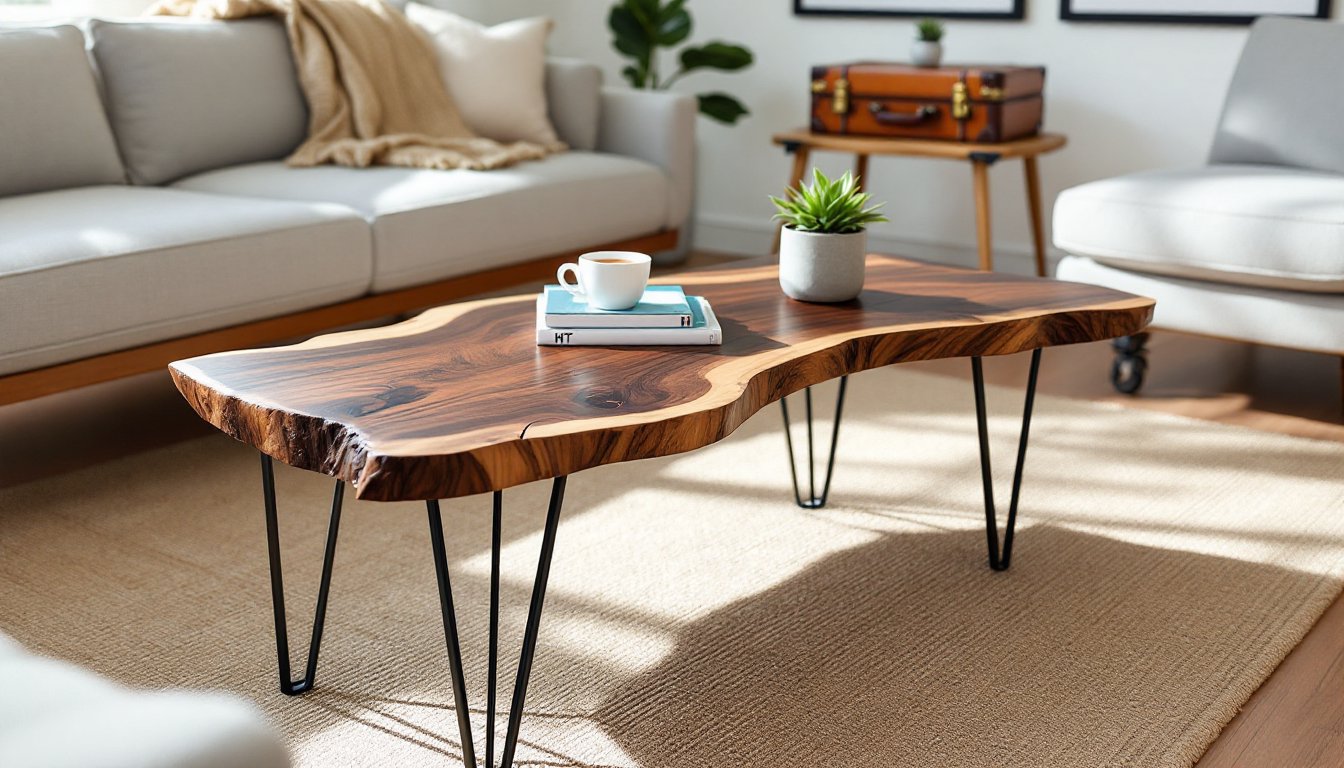
A coffee table is more than a place to set a mug, it anchors the living room, defines traffic flow, and often becomes the focal point for guests. But generic big-box options rarely fit unusual room dimensions, personal style, or budget constraints. Building or sourcing a unique coffee table lets homeowners solve functional problems while adding character. Whether someone’s working with salvaged materials, tight square footage, or specific design goals, choosing the right approach makes the difference between a showpiece and a dust collector. The following ideas balance form, function, and feasibility for DIYers at all skill levels.
Table of Contents
ToggleKey Takeaways
- Unique coffee table ideas leverage repurposed materials like pallets, suitcases, and crates to create cost-effective, one-of-a-kind pieces while reducing waste and adding character to any living room.
- Live-edge wood slabs and natural materials bring organic texture to modern interiors, but require proper acclimation, sealing, and support with metal legs to prevent warping and damage.
- Multifunctional designs—including lift-top mechanisms, nested tables, and storage ottomans—maximize usability in small spaces without sacrificing style or surface area.
- Industrial and modern styles combine raw materials like black iron pipe, concrete, and steel to create statement pieces that suit minimalist or steampunk-inspired aesthetics.
- Beginner-friendly projects such as hairpin leg tables and crate assemblies can be completed in a single weekend with basic tools and deliver professional-looking results.
- Unconventional materials including resin river tables, acrylic frames, and ceramic tile mosaics push creative boundaries and transform coffee tables into functional artwork tailored to any design vision.
Repurposed and Upcycled Coffee Table Designs
Repurposing salvaged materials cuts cost and waste while delivering one-of-a-kind results. Old wooden pallets remain a go-to for casual, rustic builds. Standard pallets measure 48″ × 40″ and require minimal modification, sand smooth, seal with polyurethane, and add casters or hairpin legs. Use heat-treated pallets only (stamped HT, not MB), since methyl bromide-treated wood poses health risks.
Vintage suitcases stacked and secured with wood glue or screws create tiered storage. Reinforce the bottom case with a 3/4″ plywood insert to prevent sagging under weight. Add metal corner brackets if the hinges are loose.
Wine crates or apple crates arranged in a grid (2×2 or 3×2 configuration) form cubby storage. Fasten them together with 1-1/4″ wood screws driven through side panels, then attach a 1/2″ plywood or tempered glass top. Pre-drill screw holes to avoid splitting old wood.
For a nautical or industrial look, shipping crates and cable spools work well. Sand any rough edges with 80-grit then 120-grit sandpaper, and apply exterior-grade stain if the table will sit near sunlight or moisture.
Safety note: Always wear dust mask and eye protection when sanding reclaimed wood, old paint may contain lead, and splinters from pallet wood can carry bacteria.
Natural and Organic Coffee Table Concepts
Live-edge slabs and organic materials bring texture and irregularity into modern interiors. Live-edge wood slabs, walnut, cherry, or maple, showcase natural grain and bark edges. Expect to pay $8–$15 per board foot for kiln-dried hardwood, plus milling fees if the slab needs planing.
Before building, acclimate the slab in the room where it’ll live for at least 72 hours to prevent warping. Seal both top and bottom surfaces with clear epoxy or oil-based polyurethane (three coats minimum) to lock in moisture balance. For legs, welded steel hairpin legs or powder-coated metal bases contrast nicely with raw wood. Attach with hanger bolts (lag screw on one end, machine thread on the other) driven into threaded inserts in the slab’s underside.
Tree stump tables work for rustic or cabin aesthetics. Choose hardwoods like oak or ash: softwoods like pine decay faster. Dry the stump for 6–12 months in a covered, ventilated area, or kiln-dry to accelerate the process. Remove bark with a draw knife or chisel, then sand smooth. Seal with penetrating epoxy to prevent cracking and insect infiltration. Add a 1/2″ glass top cut to size for a flat surface.
Stone and concrete tops pair well with minimalist or industrial spaces. Precast concrete tabletops require reinforcement, embed 1/2″ rebar or welded wire mesh in the pour. Cure under plastic sheeting for seven days, misting daily to prevent surface cracks. Seal with concrete sealer to resist stains from coffee rings.
Industrial and Modern Coffee Table Styles
Industrial designs emphasize raw materials and visible joinery. Black iron pipe paired with reclaimed wood planks creates a modular, steampunk-inspired table. Use 3/4″ or 1″ Schedule 40 pipe for structural integrity. Assemble the frame with flanges, tees, and elbows, hand-tightening fittings first, then securing with a pipe wrench. Apply clear lacquer to prevent rust stains on carpet.
For the tabletop, use 2×10 or 2×12 dimensional lumber (actual dimensions: 1-1/2″ × 9-1/4″ or 11-1/4″). Arrange planks edge-to-edge, secure with pocket screws on the underside (two screws per joint), and attach to the pipe frame with 3″ wood screws through the flanges.
Sheet metal or corrugated steel panels add texture. Cut to size with tin snips or a circular saw with a metal-cutting blade. File sharp edges smooth, then attach panels to a wooden frame using #8 self-tapping screws. Wear leather gloves and safety glasses, metal shards are common.
Concrete and steel combinations suit minimalist spaces. Cast a 1-1/2″ to 2″ thick concrete slab over a plywood form, reinforcing with mesh. After curing, grind the surface with a concrete grinder fitted with 50-grit diamond pads for a polished finish. Mount the slab on welded steel angle iron or flat bar legs using construction adhesive and countersunk bolts.
Another option involves creative modifications of flat-pack furniture, swapping factory legs for custom steel bases or adding poured concrete tops to existing frames.
Multifunctional Coffee Tables for Small Spaces
Tight square footage demands tables that earn their real estate. Lift-top mechanisms convert a coffee table into a desk or dining surface. Commercial lift-top hardware kits (sold at woodworking suppliers) include gas springs rated by weight, choose 60 lb. capacity for solid wood tops, 40 lb. for plywood or MDF.
Install the mechanism on a 3/4″ plywood base, attaching the stationary frame to the lower shelf and the lift arm to the underside of the top. Pre-drill mounting holes to avoid splitting. Test the range of motion before final assembly, clearance under the top should be at least 1/2″ to prevent pinching.
Nested tables (a main table with two or three smaller tables that tuck underneath) maximize flexibility. Size the smaller tables 2–3″ lower and narrower than the main piece so they slide in without binding. Use the same material and finish for visual cohesion.
Storage ottomans with trays blend seating, storage, and surface area. Build a simple cube frame from 2×2 framing lumber, add a hinged lid upholstered in outdoor-grade fabric (more durable than standard upholstery), and set a removable wood tray on top when a hard surface is needed. Line the interior with 1/4″ plywood to prevent sagging.
Drawer inserts and hidden compartments keep remotes, coasters, and magazines out of sight. Standard drawer slides (side-mount or undermount) require 1/2″ clearance on each side. For floating drawers with no visible hardware, use push-to-open mechanisms, these need only a 3/8″ recess for the magnetic catch.
DIY Coffee Table Projects You Can Build This Weekend
Beginner-friendly builds prioritize minimal tools and straightforward joinery. A basic box-frame table uses 2×4 framing lumber for the legs and apron, topped with a 3/4″ plywood panel or 1×6 pine boards. Cut legs to 16–18″ height (standard coffee table range). Assemble the apron with 2-1/2″ wood screws and wood glue, then attach legs with corner braces or pocket screws.
For projects requiring more precision, detailed plans walk through each cut and joint. Finish with semi-gloss polyurethane or chalk paint and wax for a farmhouse look.
Hairpin leg tables require only a saw, drill, and sandpaper. Buy 16″ or 18″ hairpin legs online (sets of four run $25–$60 depending on rod diameter). Cut a slab or plywood top to size, sand edges smooth, and drill pilot holes for the leg mounting screws. Use 3/4″ #8 screws, longer screws risk poking through the top.
Crate and frame combinations involve arranging four wooden crates in a square, then adding a frame border from 1×4 pine to tie them together. Screw through the crate sides into the frame, then lay a 1/2″ glass panel on top for a finished look.
Pipe and wood builds suit those comfortable with a miter saw and drill. Cut 2×8 or 2×10 boards to length, assemble a pipe frame as described earlier, and attach the wood top with flanges. A clear coat of water-based polyurethane dries in two hours and produces minimal odor.
Always wear hearing protection when using a miter saw or circular saw, sustained exposure above 85 decibels causes permanent hearing loss.
Unconventional Materials for Statement Coffee Tables
Pushing beyond wood and metal opens up sculptural possibilities. Resin river tables embed colored epoxy between two wood slabs. Use clear casting resin rated for thick pours (at least 2″ depth per layer) to avoid overheating and cracking. Mix resin with mica powder or alcohol ink for color, pour in stages, and allow each layer to cure 24 hours before adding the next. Respirator use is mandatory, epoxy fumes are toxic.
Tempered glass tops over unusual bases (stacked books, antlers, driftwood) create visual lightness. Order glass with polished edges and specify 3/8″ or 1/2″ thickness for durability. Attach rubber or felt bumpers to the base to prevent sliding.
Acrylic or Lucite legs and frames maintain transparency while supporting weight. Cut acrylic sheets with a table saw fitted with a fine-tooth blade (80 teeth or more), then polish cut edges with plastic polish and a buffing wheel. Bond pieces with acrylic cement (solvent-based adhesive that chemically fuses the plastic), joints are nearly invisible when done correctly.
Reclaimed metal elements, old machinery parts, car hoods, or aircraft aluminum, demand creativity and welding skills. If welding isn’t an option, bolt components together using grade 5 or grade 8 hex bolts and lock washers. Grind sharp edges, prime bare metal with rust-inhibiting primer, and topcoat with enamel paint.
Ceramic tile mosaics set into a wooden frame add color and pattern. Build a shallow frame from 1×3 or 1×4 boards, fill with thinset mortar (standard coverage: 95 sq. ft. per 50 lb. bag at 1/4″ depth), press tiles into place, and grout after 24 hours. Seal grout lines with penetrating sealer to resist stains.
Those looking to tie the living room aesthetic together might explore compact coffee prep areas nearby, small coffee bar setups or coffee station designs complement unique table choices in open-plan layouts.
Conclusion
A unique coffee table solves real problems, odd dimensions, storage needs, or style mismatches, while offering a chance to build skills and confidence. Start with a realistic assessment of tools, time, and budget. Simple projects like hairpin leg tables or crate assemblies deliver results in a weekend. More advanced builds involving metalwork, resin, or concrete demand patience, ventilation, and proper PPE. Either way, the payoff is a piece tailored to the space, built to last, and impossible to find in a catalog.