A fire pit can turn any backyard into a gathering spot, but without the right landscaping, it’s just a hole in the ground with flames. Smart design around your fire pit creates a destination, somewhere people actually want to sit, not just a functional feature that looks like an afterthought. The best outdoor fire pit landscapes balance safety, aesthetics, and usability. They consider everything from clearance distances and non-combustible materials to seating flow and plant placement. Whether someone’s working with a compact patio or a sprawling yard, integrating a fire pit into the landscape requires planning that goes beyond dropping a steel ring on the grass and calling it done.
Table of Contents
ToggleKey Takeaways
- Smart outdoor fire pit landscaping ideas balance safety, aesthetics, and usability—moving beyond just dropping a fire ring on the grass to create an intentional gathering destination.
- Choose a fire pit style that fits your yard: in-ground pits for formal landscapes, above-ground for DIY flexibility, portable bowls for renters, or fire tables for compact patios.
- Arrange seating in a 180–270-degree arc 3–4 feet from the pit edge using built-in benches or freestanding chairs, and install a hardscaped base (flagstone, pavers, or concrete) at least 2 feet beyond seating to prevent mud and ensure safety.
- Select fire-resistant plants like sedums, lavender, and coral bells, keeping woody or tall plantings at least 10 feet away and using rock or gravel mulch instead of wood chips within 5 feet of the fire.
- Meet local fire codes and clearance requirements (typically 10 feet from structures, 20 feet from tree branches, and 25 feet from property lines), and verify permitting needs with your local building department before construction begins.
Choosing the Right Fire Pit Style for Your Landscape
The fire pit style sets the tone for the entire area. In-ground fire pits work well in formal landscapes or where a sunken conversation area makes sense. They require excavation, proper drainage, and often a concrete footer or gravel base. Expect to dig 12–18 inches deep depending on design and frost line.
Above-ground fire pits, whether built from firebrick, concrete blocks, or natural stone, offer more flexibility. They’re easier to DIY and don’t require digging below grade. A typical kit uses 36-inch to 48-inch diameter rings, which fits four to six adults comfortably.
Portable fire bowls (steel or cast iron) suit renters or anyone who wants to rearrange the yard seasonally. They won’t anchor the design like a permanent structure, but they’re a low-commitment starting point.
Fire tables blend a fire feature with a functional surface. They work in smaller yards or on patios where a traditional pit would overwhelm the space. Most run on propane and include a burner kit rated at 40,000–60,000 BTU.
Material choice affects longevity and maintenance. Steel fire rings rust without a protective coating. Cast concrete and natural stone (flagstone, limestone, or granite) handle freeze-thaw cycles better in cold climates. If building a custom pit, line the interior with refractory firebrick rated to at least 2,000°F, standard bricks can crack or spall from heat.
Creating a Functional Seating Area Around Your Fire Pit
Seating defines how people use the space. Built-in benches using retaining wall blocks or poured concrete create permanent, multi-person seating. Cap them with 2-inch thick stone or pressure-treated 2x12s (actual dimensions: 1.5 x 11.25 inches) for comfort. Seat height should be 16–18 inches from finished grade, with a depth of at least 15 inches.
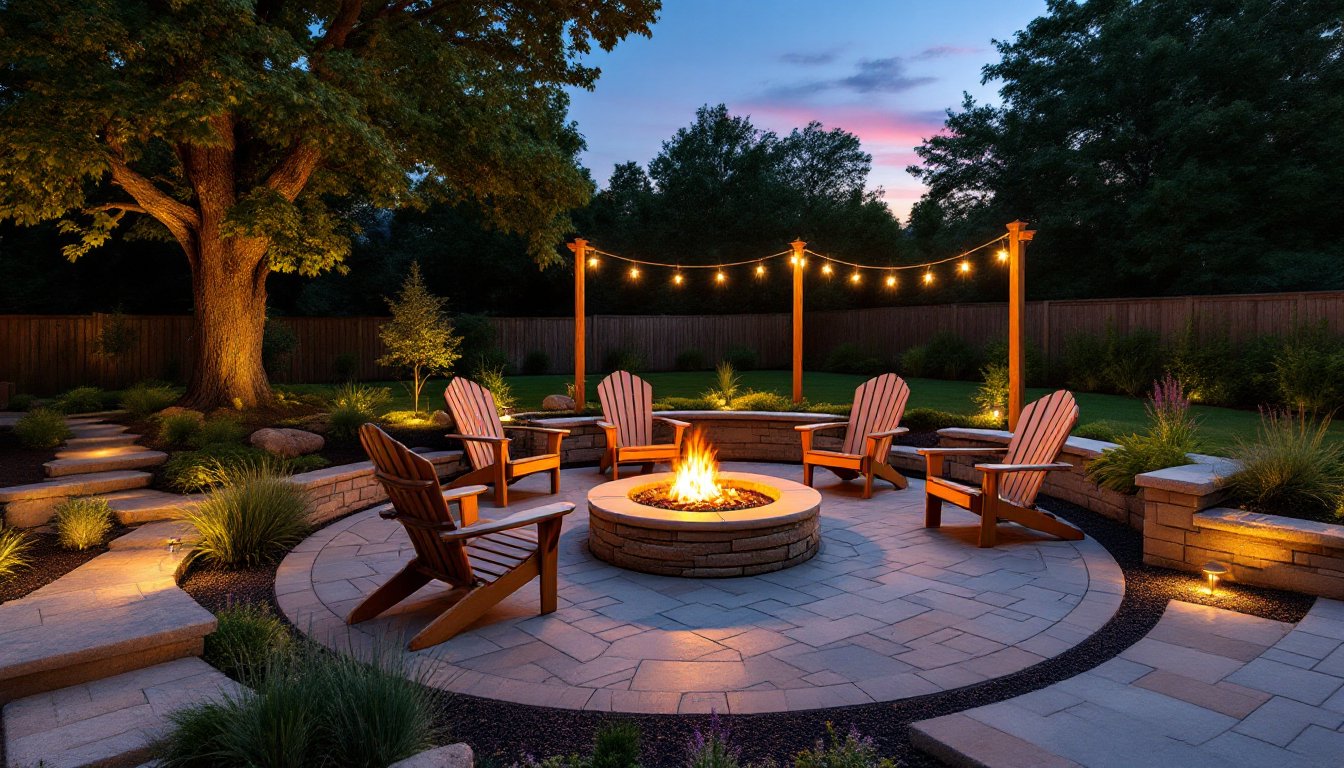
Freestanding chairs (Adirondack, metal, or resin wicker) offer flexibility. Space them 3–4 feet from the fire pit edge to avoid excessive heat and allow foot traffic behind seated guests. A 12-foot diameter circle around a 48-inch pit gives enough room for four chairs plus walking space.
Conversation circles work better than straight rows. Arrange seating in a 180–270-degree arc rather than a full circle, full circles put someone’s back to the yard and make entry awkward.
Consider adding a small patio or hardscaped area as the foundation for seating. Flagstone, pavers, or stamped concrete create a level, non-combustible base that won’t turn into a mud pit in wet weather. Extend hardscaping at least 2 feet beyond seating to accommodate chair legs and foot traffic.
Incorporating Hardscaping Elements for Visual Appeal
Hardscaping frames the fire pit and defines the area visually. Paver patios in herringbone, running bond, or circular patterns create a finished look. Use concrete pavers (at least 2 3/8 inches thick for pedestrian traffic) over a 4-inch compacted gravel base and 1-inch sand leveling layer.
Gravel or crushed stone (pea gravel, 3/8-inch crushed granite, or decomposed granite) works as a lower-cost alternative. It drains well and won’t crack in freeze-thaw. Edge it with metal or plastic landscape edging to prevent migration into adjacent lawn or beds. Those considering crushed granite landscaping will appreciate its durability and natural appearance around fire features.
Retaining walls (using modular concrete blocks or natural stone) can terrace a sloped yard or create raised planting beds that frame the fire pit. Walls under 2 feet tall typically don’t require engineering in most jurisdictions, but check local codes, anything taller or load-bearing does.
Pathways leading to the fire pit improve access and guide traffic flow. Use flagstone steppers, brick pavers, or even small decorative rock bordered with larger stones. Keep paths 3 feet wide minimum for comfortable two-way traffic.
Add decorative boulders as natural accents or informal seating. 18–24-inch diameter boulders work as visual anchors without overwhelming smaller yards.
Selecting Fire-Resistant Plants and Greenery
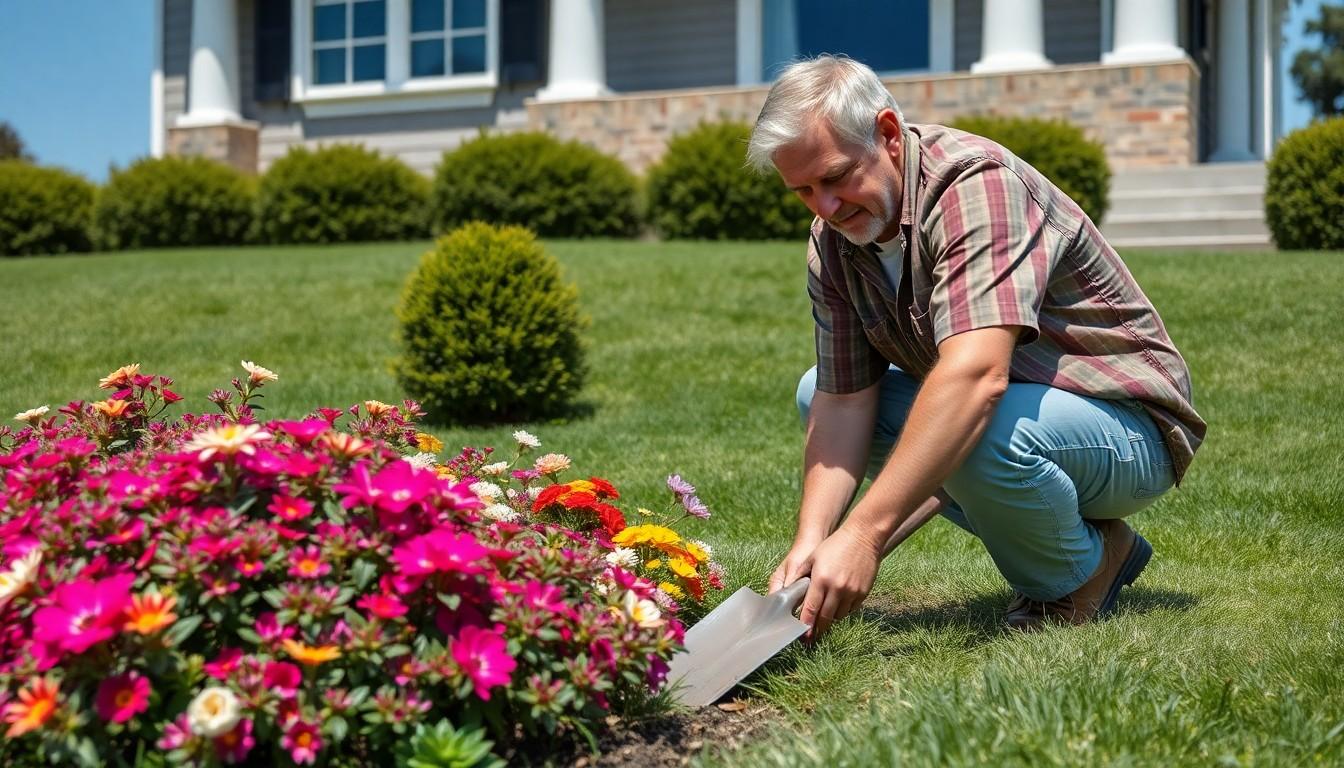
Plant selection around a fire pit balances aesthetics with fire safety. According to guidance on fire pit landscaping, prioritizing non-flammable materials and careful plant placement is essential. Choose high-moisture, low-resin plants that don’t ignite easily.
Fire-resistant perennials include:
- Sedum (stonecrop): Succulent leaves hold moisture: tolerates heat and drought.
- Lavender: Even though being aromatic, it has high moisture content and doesn’t ignite easily.
- Hosta: Thick, water-laden leaves: works in shadier spots near the fire pit perimeter.
- Coral bells (Heuchera): Low, mounding foliage: many cultivars tolerate heat.
Groundcovers like creeping thyme, Irish moss, or creeping jenny soften hardscape edges without adding fuel load. They won’t grow tall enough to catch sparks.
Avoid highly flammable plants:
- Junipers, arborvitae, and other conifers (high resin content)
- Ornamental grasses that dry out and become tinder
- Rosemary and other woody, resinous herbs close to the fire
Keep plantings at least 10 feet from the fire pit edge if they’re woody or over 2 feet tall. Use them as a backdrop or border, not immediate surround. Mulch beds with rock or gravel rather than wood chips or bark within 5 feet of the fire, organic mulches can smolder.
For ideas on blending fire pits with other water features, explore pond landscaping approaches that create natural contrasts.
Adding Lighting and Ambiance Features
Lighting extends usability and enhances safety after dark. Low-voltage landscape lighting (12V systems) is DIY-friendly and code-compliant in most areas. A typical 300-watt transformer powers 25–30 LED fixtures.
Path lights (spaced 8–10 feet apart) illuminate walkways leading to the fire pit. Use 3–5 watt LEDs for subtle guidance without overpowering the fire’s glow.
Uplighting on nearby trees or architectural features adds depth. Position bullet or well lights at the base, angled upward. 5–10 watt LEDs work for small trees: larger specimens need 15–20 watts.
String lights or bistro lights overhead create ambiance. Hang them 8–10 feet above grade on posts or between trees using galvanized steel cable and turnbuckles for tensioning. Use outdoor-rated fixtures with weatherproof sockets (wet or damp location rated).
Hardscape lighting (step lights, wall lights) built into retaining walls or paver edges improves safety and highlights design features. Many landscape lighting systems integrate solar or low-voltage LED options for energy efficiency.
Fire pit accessories add function:
- Spark screens (required by code in many areas) contain embers.
- Fire glass or lava rock for gas-fueled pits hides the burner and reflects light.
- Log racks or firewood storage benches keep fuel dry and accessible.
Safety Considerations and Spacing Guidelines
Safety isn’t optional, it’s code. The International Fire Code (IFC) and local ordinances govern fire pit placement and construction. Requirements vary by jurisdiction, so check with the local building department or fire marshal before breaking ground.
Clearance distances (typical minimums, but verify locally):
- 10 feet from structures (house, garage, shed, fence)
- 20 feet from overhanging tree branches or combustible roof eaves
- 25 feet from property lines (some jurisdictions: others allow closer with permits)
Fuel type affects requirements. Wood-burning pits generate sparks and require larger clearances and often spark arrestors. Natural gas or propane installations need a licensed plumber or gas fitter in most areas, DIY gas work violates code and voids insurance.
Base preparation prevents ground fires. Clear vegetation and organic material down to mineral soil. Install a non-combustible base: 4 inches of gravel, sand, or a concrete pad extending at least 2 feet beyond the fire pit perimeter.
Wind and ventilation: Never use a fire pit on windy days (sustained winds over 10 mph can spread embers). Avoid enclosed or semi-enclosed spaces unless designed with proper ventilation, carbon monoxide buildup is a real hazard.
Fire extinguishing equipment: Keep a garden hose, fire extinguisher (rated for Class A fires), or sand bucket within reach. Never leave a fire unattended.
Permits: Many jurisdictions require a recreational fire permit even for small backyard fire pits. Some ban wood-burning pits entirely and allow only gas. Homeowners working on simple landscaping projects often overlook permitting, don’t skip this step.
PPE during construction: Wear safety glasses when cutting pavers or stone, work gloves for handling materials, and hearing protection if using a masonry saw (which hits 90+ dB). If mixing concrete or mortar, wear a dust mask (N95 or better).
Conclusion
A well-designed fire pit area doesn’t happen by accident, it takes planning, proper materials, and attention to safety. From choosing a pit style that fits the yard to arranging seating and selecting the right hardscaping, each decision shapes how the space functions and looks. Fire-resistant plants, thoughtful lighting, and code-compliant clearances keep the area safe and usable year-round. The result is an outdoor space that pulls people together, not just a feature that looks good in photos.